Health
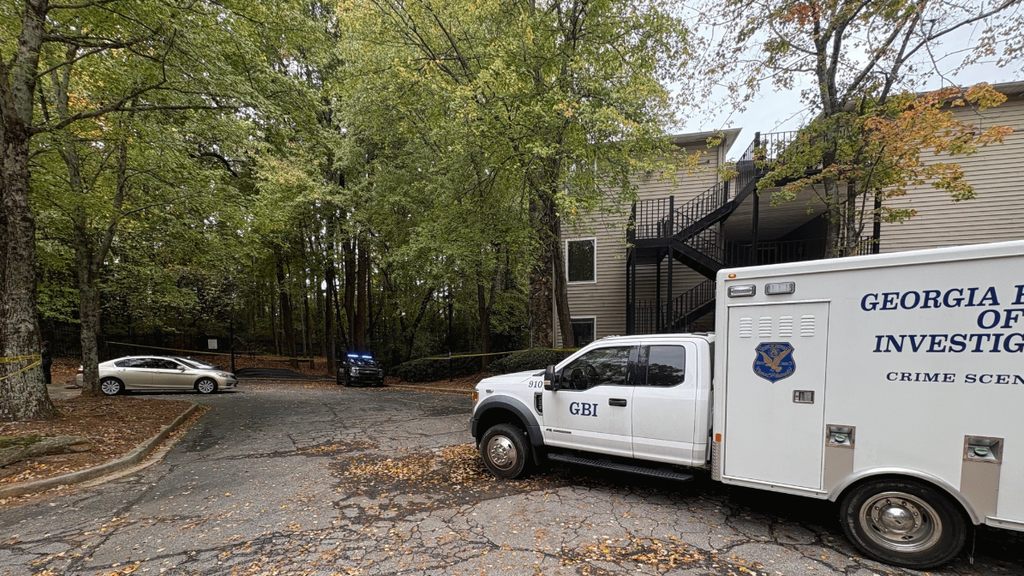
Stone Mountain man's death under investigation after DeKalb officer uses Taser
By Linda Choi
Advertisement · Why this ad?
With a background in public health journalism, Michael brings 5 years of experience covering health policy and wellness initiatives. He earned his degree from the University of Georgia and is committed to reporting on local health issues and access to healthcare.
More from Michael →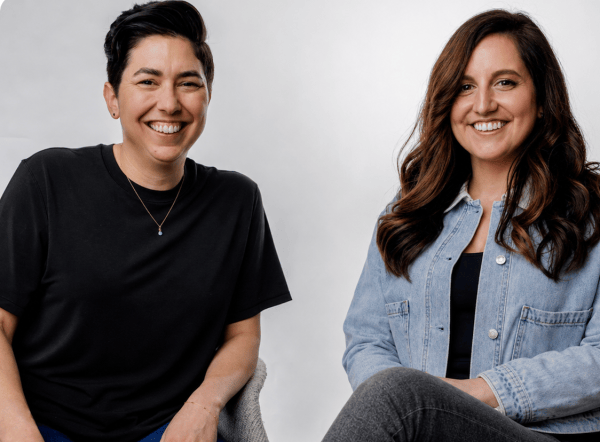
In 2022, Emily Stanislaus’ life changed. On a trip to visit her parents with her partner, Cristina Gutierrez, she fell off the roof of her parents’ home and landed on concrete, suffering a spinal cord injury that left her wheelchair-bound. Very suddenly, Stanislaus and Gutierrez had to navigate what Gutierrez calls the “disability tax”: the extra time, money, and energy required to survive as a disabled person. Instead of being able to use the restroom like fulling-functioning adults, Stanislaus needed a catheter that cost $1,200. Their house needed to be renovated to include wheelchair ramps, standing frames, and other mobility aids. Normal life became significantly more expensive for the couple, and they knew this experience wasn’t unique. According to the National Disability Institute, households containing an adult with a work-disability require 29% more income than those without a disabled member to obtain the same standard of living. When faced with this disability tax, S
By Linda Choi

By Sharon Lee

By Cynthia Blake

By Cynthia Blake